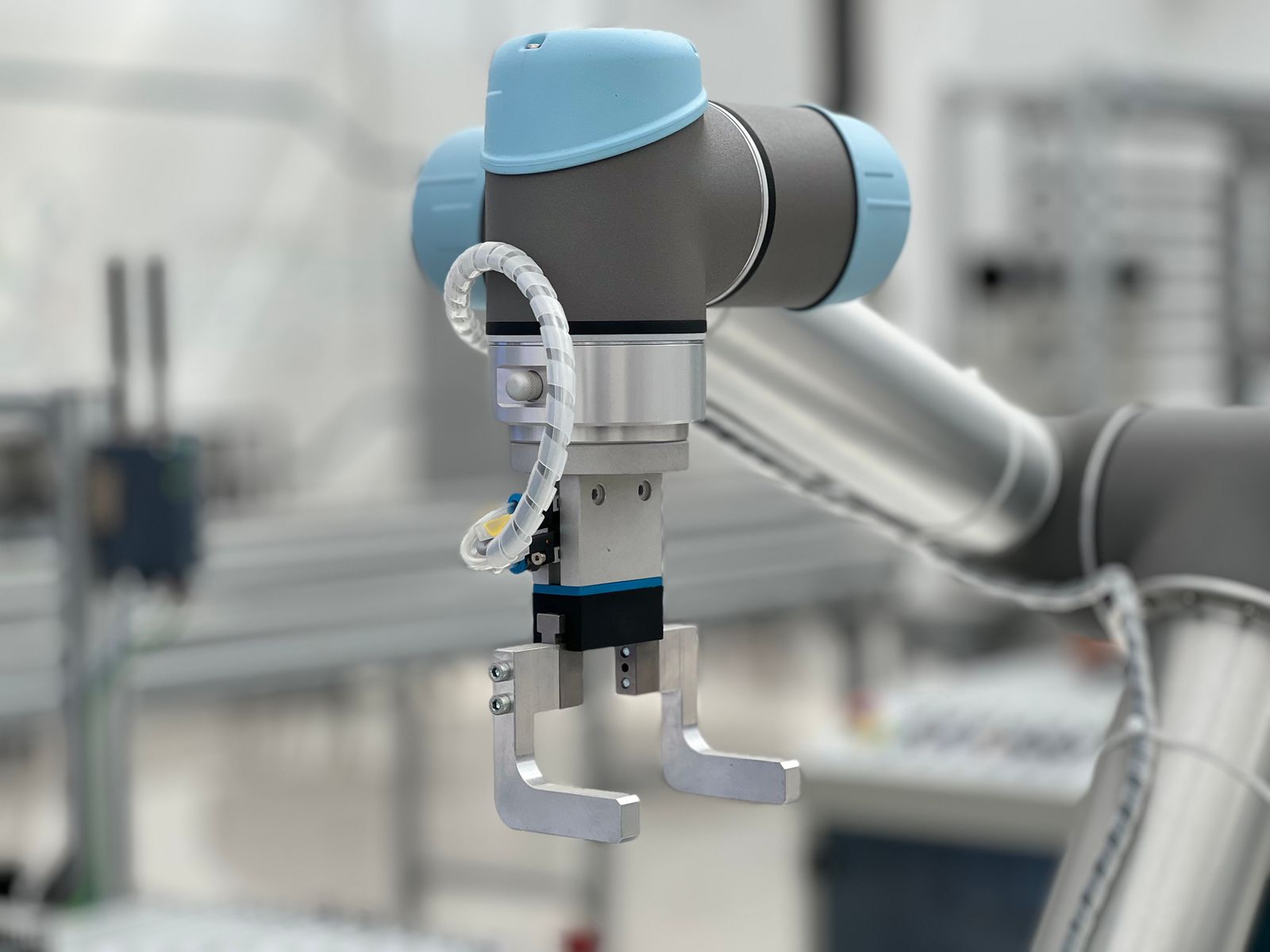
The gap between AI model capability and real-world production deployment is closing, but not through better models alone. The real surge is happening in the Agent Layer—the frameworks and protocols that allow models to actually use tools, manage memory, and execute multi-step workflows.
“The gap between AI model capability and real-world production deployment is closing, but not through better models alone.”
Recent data from Axis Intelligence Research reveals a striking trend on npm: the agent-layer build stack grew 9.2x year-over-year, outpacing the growth of the core model SDKs themselves.
The Model Context Protocol (MCP) has become the lingua franca of the agentic era. In the 30 days leading up to late October 2026, the MCP SDK was downloaded nearly 480 million times across npm and PyPI.
While model SDKs from OpenAI and Anthropic continue to grow, the growth of agent-specific frameworks (like the Claude Agent SDK and OpenAI Agents) is accelerating faster. This indicates that developers are moving beyond simple chat prompts and are now building complex, autonomous systems that can maintain state, reason over long horizons, and interact with the physical and digital world.
Reliability remains the final frontier. Data from METR suggests that while agents can handle complex tasks, their "80%-reliability horizon" is significantly shorter than their "50%-reliability horizon." In other words, agents can almost do a lot, but they can only consistently do a fraction of that.
The shift is clear: the value is moving from the model to the orchestrator.